
Cystocele vs. Uterine Prolapse: Key Differences
Key Takeaways
Support Structures: Pelvic organ prolapse can involve different organs and support systems, making an accurate assessment important for treatment planning.
Treatment Options: Many women benefit from conservative care approaches that are tailored to their symptoms, goals, and needs.
Personalized Care: Individual factors such as pregnancy history, activity level, symptom severity, and lifestyle demands can influence treatment recommendations.
Pelvic pressure, heaviness, or bulging can stem from different pelvic support conditions. Similar symptoms may have unique causes, making an accurate analysis of the underlying issue an important step in choosing the right treatment approach.
At Blair Mauri Pelvic Health, Blair provides personalized in-home Pelvic Floor Therapy for women throughout Brooklyn Heights, Park Slope, Cobble Hill, Tribeca, and Dumbo. Her goal is to help clients better understand their symptoms and identify treatment options that best support their recovery goals.
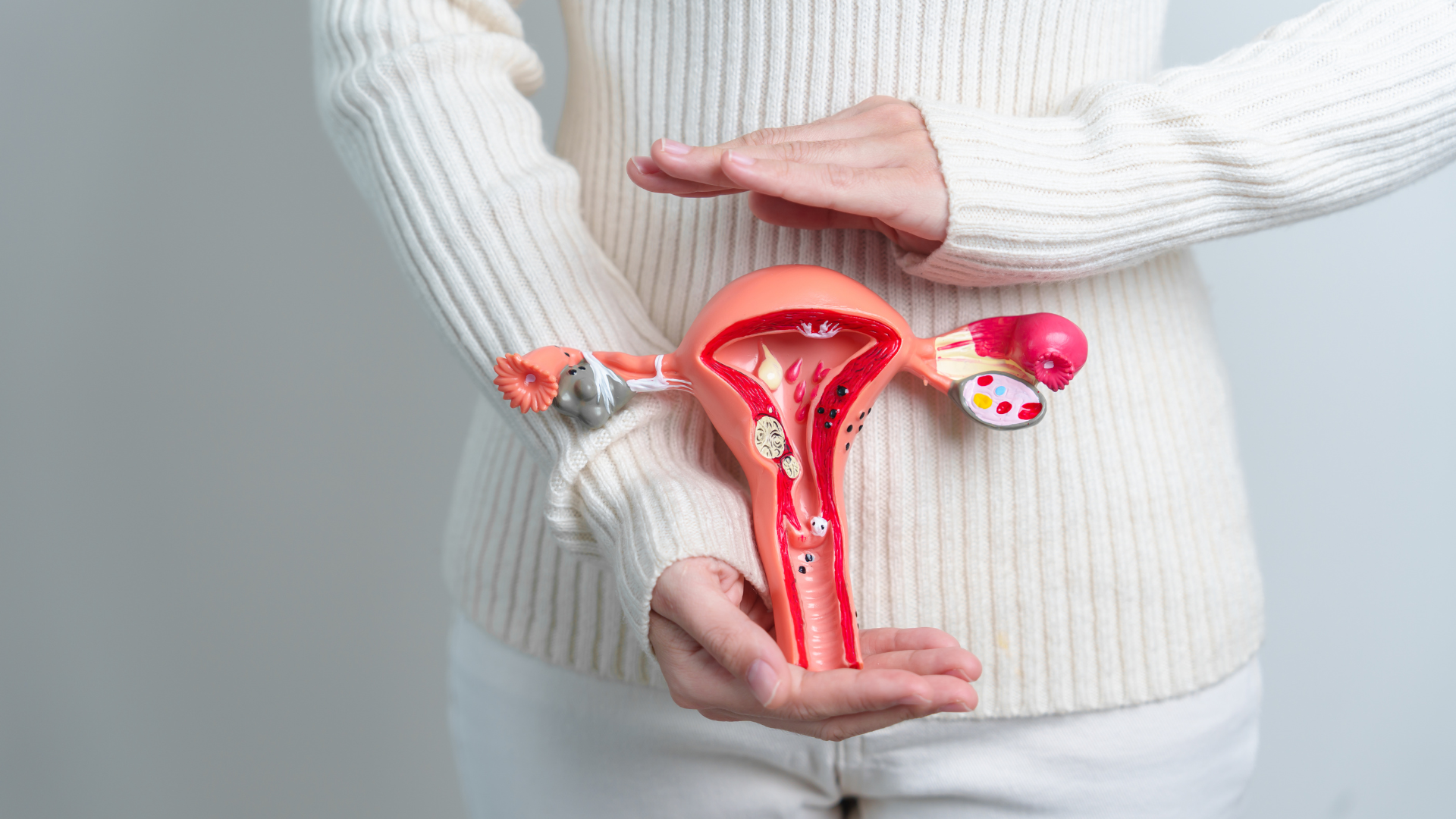
This article explains the key differences between a cystocele vs. uterine prolapse, how symptoms may vary, and which treatment approaches may help support recovery.
Cystocele vs. Uterine Prolapse: General Overview
Both conditions involve pelvic organ prolapse, but they affect dissimilar structures within the pelvis. Knowing the distinction matters because symptoms can overlap significantly, and what works best for one type of prolapse may not be the most appropriate approach for another. Regardless, a comprehensive evaluation from a professional is always the starting point for pinpointing what is happening in your body and what options make the most sense for your specific situation.
Cystocele Meaning
A cystocele occurs when the bladder shifts downward because the connective tissue and supportive structures between the bladder and the front wall of the vagina have weakened or stretched. This change may contribute to urinary symptoms such as leakage, urgency, or difficulty fully emptying the bladder, alongside pelvic pressure or a sensation of heaviness or bulging. Cystoceles are among the most common forms of pelvic organ prolapse and can develop gradually, making early symptoms easy to overlook or attribute to other causes.
Uterine Prolapse Meaning
A uterine prolapse occurs when the uterus descends from its normal position into the vaginal canal due to weakening of the ligaments and muscles that hold it in place. Symptoms can include pelvic pressure, a sensation of something falling out, lower back discomfort, and changes in bladder or bowel function. Because these symptoms overlap considerably with those of a cystocele and other forms of prolapse, a thorough assessment by a qualified provider is essential before drawing conclusions about what is causing them.

Cystocele Grades Explained
Cystoceles are typically classified using a grading system that describes how far the bladder has descended. As with prolapse staging more broadly, grade does not always predict how disruptive symptoms will feel in daily life, which is why individualized assessment matters far more than a number alone.
Grade 1 Cystocele: At this stage, support changes are generally mild, and the bladder has descended only slightly. Many women notice little to no disruption in their normal tasks at this grade, though some may become aware of occasional pressure after prolonged standing or physical activity.
Grade 2 Cystocele: This stage involves greater descent, with the bladder reaching approximately the vaginal opening. Symptoms often become more noticeable during standing, lifting, or prolonged activity, and some women begin to notice urinary changes alongside the sensation of pelvic heaviness.
Grade 3 Cystocele: At this stage, the bladder has descended beyond the vaginal opening, and symptoms typically become easier to recognize during movement, exercise, or extended periods of standing. Discomfort during everyday responsibilities may also become more consistent rather than occasional.
Grade 4 Cystocele: This represents the most advanced level of bladder descent, with the bladder fully protruding outside the vaginal opening. Symptoms at this stage can have a greater impact on comfort, movement, intimacy, and overall quality of life, making individualized treatment planning especially important. Conservative care options are still available and may meaningfully minimize symptom burden even at this stage.
How Pelvic Organ Prolapse Symptoms Affect Daily Life
Symptoms can affect comfort, movement, exercise, work, and daily routines in ways that are highly individual. Some women notice pressure that builds as the day progresses or worsens after physical activity, while others experience urinary changes, a feeling of vaginal heaviness, or discomfort during intimacy.
However, symptoms do not always correspond directly to the degree of visible descent, which is one reason self-diagnosis based on how things feel is rarely the full picture. Women seeking individualized support often look into cystocele treatment in Manhattan as part of a personalized care plan that accounts for how symptoms are actually showing up in their lives rather than relying on grade or stage alone.

Why Accurate Assessment Matters Before Choosing Treatment
Pelvic organ prolapse symptoms rarely tell the full story on their own. A thorough evaluation helps identify contributing factors, clarify which structures are involved, and guide treatment decisions that align with your needs and goals. Without this foundation, it is easy to pursue strategies that address surface-level symptoms without resolving the underlying patterns driving them.
Understanding Pelvic Support Patterns
Different structures within the pelvis can be affected simultaneously, which may influence how symptoms present and how they respond to treatment. A cystocele and uterine prolapse can coexist, for example, and the presence of both may require a more nuanced approach than addressing either condition in isolation. This is why individualized assessment, rather than generalized advice, is so important.
Identifying Contributing Factors
Several factors can influence both symptom development and progression over time, including pregnancy history, intra-abdominal pressure patterns, connective tissue characteristics, and movement habits. Women considering options such as at home pelvic pain therapy benefit from knowing how these factors interact, so that care can address root causes rather than simply managing problems as they arise. Blair takes time during every evaluation to analyze these contributing factors in depth before making any recommendations.
Where At-Home And Professional Treatment Approaches Fit
Treatment recommendations depend on symptom severity, functional limitations, and individual goals. Many women benefit from a combination of lifestyle modifications, symptom management strategies, and professional guidance tailored to their specific presentation.
For women interested in cystocele treatment in NYC, conservative care delivered in the home can be particularly valuable because it allows recommendations to be adapted to real-life environments and routines rather than applied in a vacuum. Working with a cystocele treatment specialist like Blair, who takes a holistic, occupational therapy-informed approach, means that care considers not just the physical components of prolapse but also how symptoms interact with your normal schedule, emotional well-being, and long-term goals.

Final Thoughts
Pelvic organ prolapse can affect women in many unique ways, and similar issues do not always point to the same underlying condition. Understanding the differences between bladder-related and uterine support changes is an important step toward selecting an appropriate treatment approach and setting realistic recovery goals.
For women in Brooklyn and Lower Manhattan seeking individualized guidance, Blair Mauri Pelvic Health offers personalized in-home care designed to help you better understand what is happening in your body and move forward with clarity, confidence, and compassionate support.
Frequently Asked Questions About Cystocele vs. Uterine Prolapse
What causes pelvic organ prolapse?
Pelvic organ prolapse occurs when the muscles, ligaments, and connective tissues that support pelvic organs become stretched or weakened, allowing organs to shift from their usual position within the pelvis.
Can pregnancy increase the risk of pelvic organ prolapse?
Yes. Pregnancy places additional pressure on pelvic support structures, and the physical demands of labor and delivery can contribute to changes in pelvic support both during pregnancy and after delivery.
Is pelvic organ prolapse always painful?
No. Some women experience pressure, heaviness, or bulging sensations without pain, while others notice discomfort during daily activities, exercise, or intimacy. Symptom experience varies widely from person to person.
Can pelvic organ prolapse get worse over time?
Yes. Symptoms and support changes may progress over time, particularly if contributing factors are not addressed. The rate and degree of progression vary from person to person.
Who is most likely to develop pelvic organ prolapse?
Although prolapse can affect many women, risk factors may include pregnancy, vaginal childbirth, aging, repetitive heavy lifting, and genetic differences in connective tissue strength.
Can pelvic organ prolapse affect bladder function?
Yes. Some women experience urinary frequency, urgency, incomplete emptying, or leakage depending on which pelvic structures are involved and to what degree.
How is pelvic organ prolapse diagnosed?
Diagnosis typically involves a review of health history, discussion of symptoms, and a physical assessment evaluating pelvic support and functional movement patterns. A qualified provider can help clarify what type of prolapse is present and what it means for your specific situation.