
Pelvic Organ Prolapse Treatments (Including At Home)
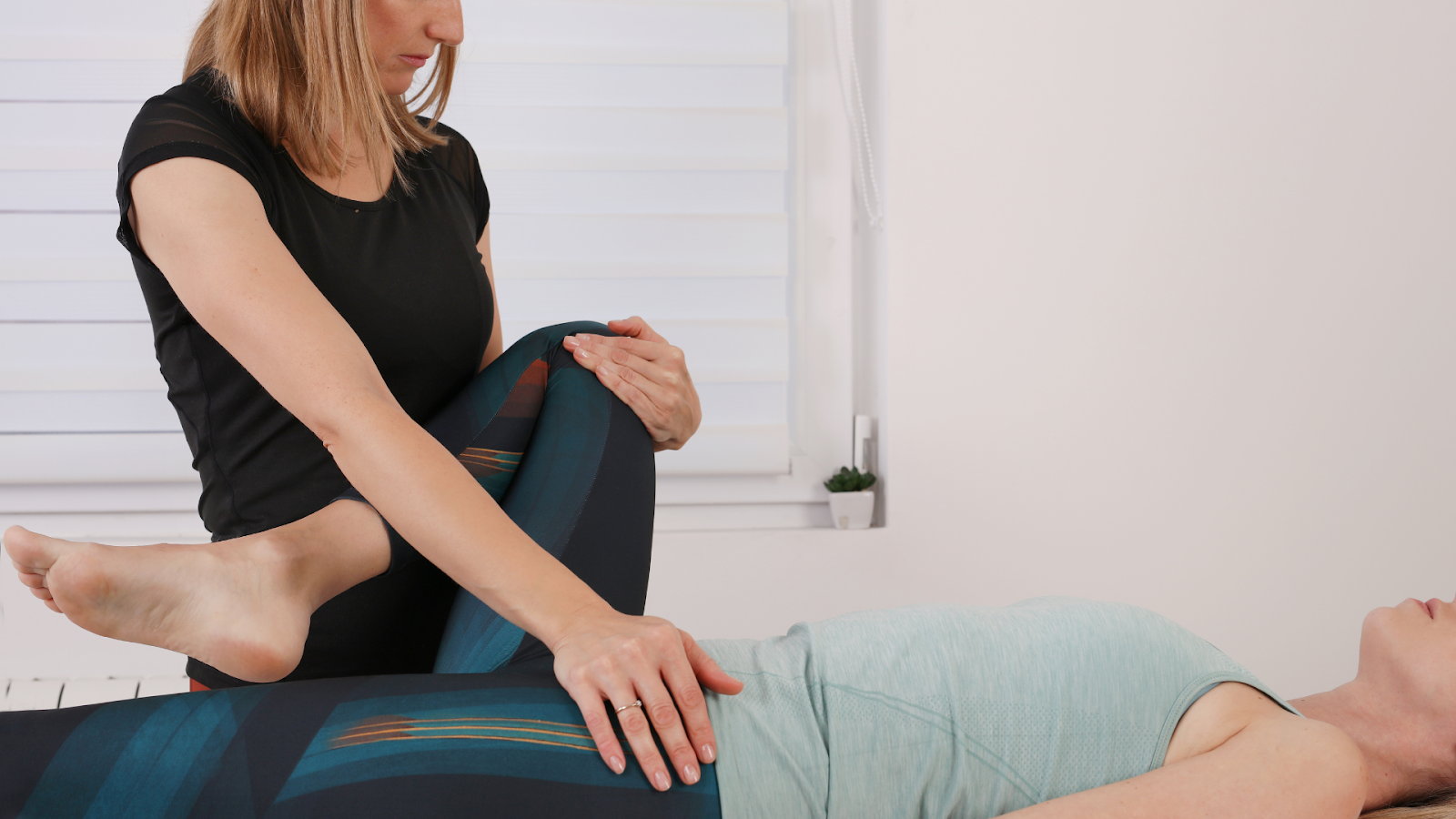
Pelvic organ prolapse is rarely just a diagnosis. Living with pelvic pressure, heaviness, or painful sex can quietly reshape how someone moves through their day. Simple things like standing for long periods, carrying groceries, or getting through a workout can start to feel unpredictable. Pelvic organ prolapse often shows up gradually, and many people are left trying to make sense of symptoms that fluctuate without clear guidance on what actually helps.
At Blair Mauri Pelvic Health, this work begins in the spaces where life actually happens. Providing pelvic organ prolapse treatment in homes throughout Brooklyn Heights, Park Slope, Cobble Hill, Tribeca, and Lower Manhattan allows care to reflect real movement patterns and daily demands. Through years of focused, one on one work, Blair has seen how individualized assessment and thoughtful progression shape meaningful outcomes. This perspective informs every approach to pelvic organ prolapse treatment, including options that extend beyond clinic based care and into the home.
In this article, we will be discussing pelvic organ prolapse treatment, including at home approaches, how symptoms guide care decisions, and what treatment options can look like across Brooklyn and Manhattan.
What Is Pelvic Organ Prolapse And How Is It Treated?
Pelvic organ prolapse occurs when the muscles and connective tissues that support the pelvic organs are no longer able to manage pressure effectively. A clear understanding of how this condition presents is essential before discussing pelvic organ prolapse treatment, since symptoms, history, and daily demands all influence the direction of care:
How Pelvic Organ Prolapse Is Identified Clinically
Identification begins with a thorough evaluation that looks beyond symptoms alone. During an assessment, working with a pelvic organ prolapse specialist can help connect posture, breathing patterns, movement habits, and life events to what is happening in the pelvic floor. This keeps recommendations grounded in the body in front of you, not a generic checklist.
How Symptoms Influence Treatment Direction
Symptoms such as pelvic pressure, heaviness, urinary changes, or painful sex provide important context, but they do not tell the full story on their own. The severity of symptoms does not always correlate with the degree of prolapse. Noticing when symptoms show up during daily activities helps guide pelvic organ prolapse treatment in a way that fits real life demands.
How Individual Assessment Shapes Care Decisions
Every body responds differently to load, recovery, and change over time. A detailed assessment helps determine which strategies are appropriate and which should be avoided, especially during pregnancy, postpartum recovery, or return to exercise. This approach supports treatment for pelvic organ prolapse that adapts as the body changes rather than following a fixed plan.
Understanding Pelvic Organ Prolapse Symptoms And Treatment Paths
Pelvic organ prolapse symptoms can look different from person to person, even when the diagnosis is the same. Some people notice a feeling of heaviness or pressure, while others experience urinary changes, bowel symptoms, or painful sex/changes in sensation during sexual activity. Understanding pelvic organ prolapse symptoms and treatment together is important because symptoms alone do not determine the best course of care or how the body will respond over time.
When discussing treatment for pelvic organ prolapse, context matters. Daily activities, work demands, caregiving, exercise habits, and recovery history all influence how symptoms show up. Someone living with mild symptoms may still need support if those symptoms interfere with movement or daily comfort. Others may have more noticeable sensations that fluctuate depending on stress, fatigue, or hormonal changes.
Care options often focus on improving how the body manages pressure and load throughout the day. Many people seeking care in Brooklyn Heights, Park Slope, and Cobble Hill look for pelvic organ prolapse therapy in Brooklyn that reflects how they actually live and move, rather than following a rigid protocol. This allows pelvic organ prolapse symptoms and treatment strategies to evolve alongside the body’s needs.
How Pelvic Organ Prolapse Treatment At Home Can Support Healing
Receiving care in the home environment allows treatment to reflect how the body actually moves throughout the day. Pelvic organ prolapse treatment at home creates space to address real life tasks, household demands, and movement patterns that are often missed in clinic based care. This approach helps align pelvic organ prolapse treatment at home with daily routines and long term recovery goals:
How In Home Care Addresses Daily Movement Demands
Working in the home makes it easier to observe how lifting, carrying, sitting, and transitions happen in real time. Using at home pelvic organ prolapse therapy within familiar surroundings allows adjustments to be made where symptoms actually show up. This creates practical strategies that support the body during everyday tasks rather than relying on abstract cues.
How Lifestyle Factors Affect Pelvic Support
Sleep, stress, hydration, nutrition, and activity levels all influence how the pelvic floor responds to load. Addressing these factors during pelvic organ prolapse treatment at home helps connect symptoms to patterns that may not be obvious otherwise. This perspective supports sustainable changes that fit into daily life without overwhelming routines.
How Guided Home Programs Differ From General Advice
General advice often overlooks individual history and current capacity. Guided care focuses on assessment driven recommendations rather than assumptions. Pelvic organ prolapse treatment at home allows progress to be adjusted over time, supporting recovery without defaulting to exercises or strategies that may not be appropriate without proper evaluation.

Female Pelvic Organ Prolapse Treatment Across Brooklyn And Manhattan
Female pelvic organ prolapse treatment looks different depending on where someone lives, works, and spends most of their day. Care that fits daily routines in Brooklyn Heights, Park Slope, Cobble Hill, Tribeca, and Dumbo is often more effective than clinic based models. Many people seeking pelvic organ prolapse treatment Brooklyn or pelvic organ prolapse treatment Manhattan prefer support that meets them at home and reflects real life movement demands. Access to pelvic organ prolapse therapy NYC becomes especially important for those balancing recovery with work, caregiving, or pregnancy.
This approach allows treatment to be integrated into familiar environments while addressing the specific needs of each body. Female pelvic organ prolapse treatment is not limited to postpartum care and can support a wide range of experiences across Brooklyn and Lower Manhattan.
- In Home Pelvic Health Sessions – One on one care focused on daily movement, posture, and load management within the home environment
- Pregnancy And Postpartum Support – Thoughtful guidance that adapts as the body changes before and after birth
- Symptom Guided Movement Care – Strategies shaped around pressure, heaviness, and painful sex as they show up day to day
By keeping care rooted in the home and responsive to individual needs, this model supports pelvic organ prolapse treatment in Brooklyn and pelvic organ prolapse treatment in Manhattan without relying on generic protocols or assumptions.
Why Personalized Pelvic Organ Prolapse Treatment Options Matter
Pelvic organ prolapse shows up differently depending on history, symptoms, and daily demands. Because of this variability, pelvic organ prolapse treatment options work best when they are shaped around the individual rather than applied uniformly. A personalized approach allows care to evolve over time and respond to how the body adapts and changes:
Why One Size Approaches Can Miss Root Causes
Standardized plans often focus on symptoms without fully addressing why those symptoms are present. Posture, breathing, workload, and recovery history all influence pelvic support. Working with a pelvic organ prolapse specialist NYC can help uncover patterns that generic approaches overlook, allowing pelvic organ prolapse treatment options to reflect real contributing factors.
Why Symptoms Alone Should Not Dictate Care
Symptoms can fluctuate day to day based on stress, fatigue, or activity level. Relying on symptoms alone may lead to overcorrection or missed opportunities for progress. Personalized treatment for pelvic organ prolapse considers how symptoms interact with movement, environment, and life stage rather than reacting to discomfort in isolation.
Why Ongoing Reassessment Is Critical Over Time
Bodies change with pregnancy, postpartum recovery, aging, and shifts in activity. What works at one stage may not be appropriate later. Ongoing reassessment allows pelvic organ prolapse treatment options to remain responsive, supporting healing while avoiding strategies that no longer fit the body’s current capacity.

Final Thoughts
Exploring pelvic organ prolapse treatment often brings up questions about timing, access, and what kind of care actually fits into daily life. For many people, understanding options that address movement, symptoms, and recovery in a realistic way makes the process feel more manageable. Choosing pelvic organ prolapse treatment NYC that reflects real routines and home environments can reduce strain while supporting steady progress.
Care that happens at home allows treatment to reflect real environments rather than idealized settings. For those living throughout Brooklyn Heights, Park Slope, Cobble Hill, Tribeca, and Dumbo, access to pelvic organ prolapse therapy NYC can support care that adapts over time and responds to the body as it changes.
Frequently Asked Questions About Pelvic Organ Prolapse Treatments
What is the main goal of pelvic organ prolapse treatment?
The goal of pelvic organ prolapse treatment is to improve how the body manages pressure and load so daily activities feel more comfortable and sustainable over time, rather than focusing only on symptom reduction.
Can pelvic organ prolapse change over time without surgery?
Yes. Pelvic organ prolapse symptoms can change based on movement habits, workload, hormonal shifts, pregnancy, postpartum recovery, and overall health, which is why ongoing reassessment matters.
Is pelvic organ prolapse treatment different for people who have not given birth?
It can be. Pelvic organ prolapse is not limited to pregnancy and childbirth, and treatment approaches may differ based on medical history, activity level, connective tissue health, and lifestyle demands.
How does pelvic organ prolapse treatment at home differ from clinic based care?
At home care allows treatment to reflect real environments, such as lifting children, navigating stairs, or sitting at work, which can make recommendations more practical and relevant.
Does pelvic organ prolapse always get worse with age?
Not necessarily. While aging can influence connective tissue and muscle response, symptom progression is not guaranteed and varies widely depending on movement, health, and support strategies.
How long does pelvic organ prolapse treatment usually take?
There is no universal timeline. Progress depends on individual factors such as symptom history, consistency, life demands, and how the body responds to changes over time.
Can stress affect pelvic organ prolapse symptoms?
Yes. Stress can influence breathing patterns, muscle tension, and fatigue, all of which can affect how pelvic pressure and symptoms are experienced.
Is it normal for symptoms to fluctuate day to day?
Yes. Symptoms often vary based on activity level, sleep, hydration, workload, and hormonal changes, which is why flexibility in care matters.
Does pelvic organ prolapse treatment focus only on the pelvic area?
No. Effective care often looks at the whole body, including posture, breathing, movement patterns, and daily habits that influence pelvic support.
Who should consider seeking pelvic organ prolapse treatment?
Anyone experiencing pelvic pressure, heaviness, urinary or bowel changes, or painful sex that affects daily life may benefit from an individualized assessment.
Sources:
Hagen, S., Stark, D., Glazener, C., Sinclair, L., & Ramsay, I. (2009). Individualised pelvic floor muscle training in women with pelvic organ prolapse. BJOG: An International Journal of Obstetrics and Gynaecology, 116(8), 1120–1127. https://doi.org/10.1111/j.1471-0528.2009.02165.x
Swift, S. E., Woodman, P., O’Boyle, A., Kahn, M., Valley, M., Bland, D., Wang, W., & Schaffer, J. (2005). Pelvic Organ Support Study. American Journal of Obstetrics and Gynecology, 192(3), 795–806. https://doi.org/10.1016/j.ajog.2004.10.602
Dietz, H. P., & Simpson, J. M. (2008). Levator trauma is associated with pelvic organ prolapse. BJOG: An International Journal of Obstetrics and Gynaecology, 115(8), 979–984. https://doi.org/10.1111/j.1471-0528.2008.01743.x
Nygaard, I., Barber, M. D., Burgio, K. L., Kenton, K., Meikle, S., Schaffer, J., Spino, C., Whitehead, W. E., Wu, J., & Brody, D. J. (2008). Prevalence of symptomatic pelvic floor disorders. JAMA, 300(11), 1311–1316. https://doi.org/10.1001/jama.300.11.1311